.png)
Looking for Dext alternatives? Compare the top 4 tools for bookkeepers and find the best fit for your accounting system, workflow, and pricing model.
.png)

The top Dext alternatives for bookkeeping firms in 2026 are:
Each serves a different segment of the accounting market. The best choice depends on your accounting software environment, document volume, workflow needs, and pricing structure.
Dext is a leading expense capture platform used by many bookkeeping firms.
However, some firms explore alternatives due to:
For smaller firms managing multiple clients, workflow clarity and predictable pricing are often key considerations.
When evaluating alternatives, bookkeeping firms typically look for:
The objective is reducing review time while maintaining clean accounting records.
Best for Desktop and Sage Accounting Environments
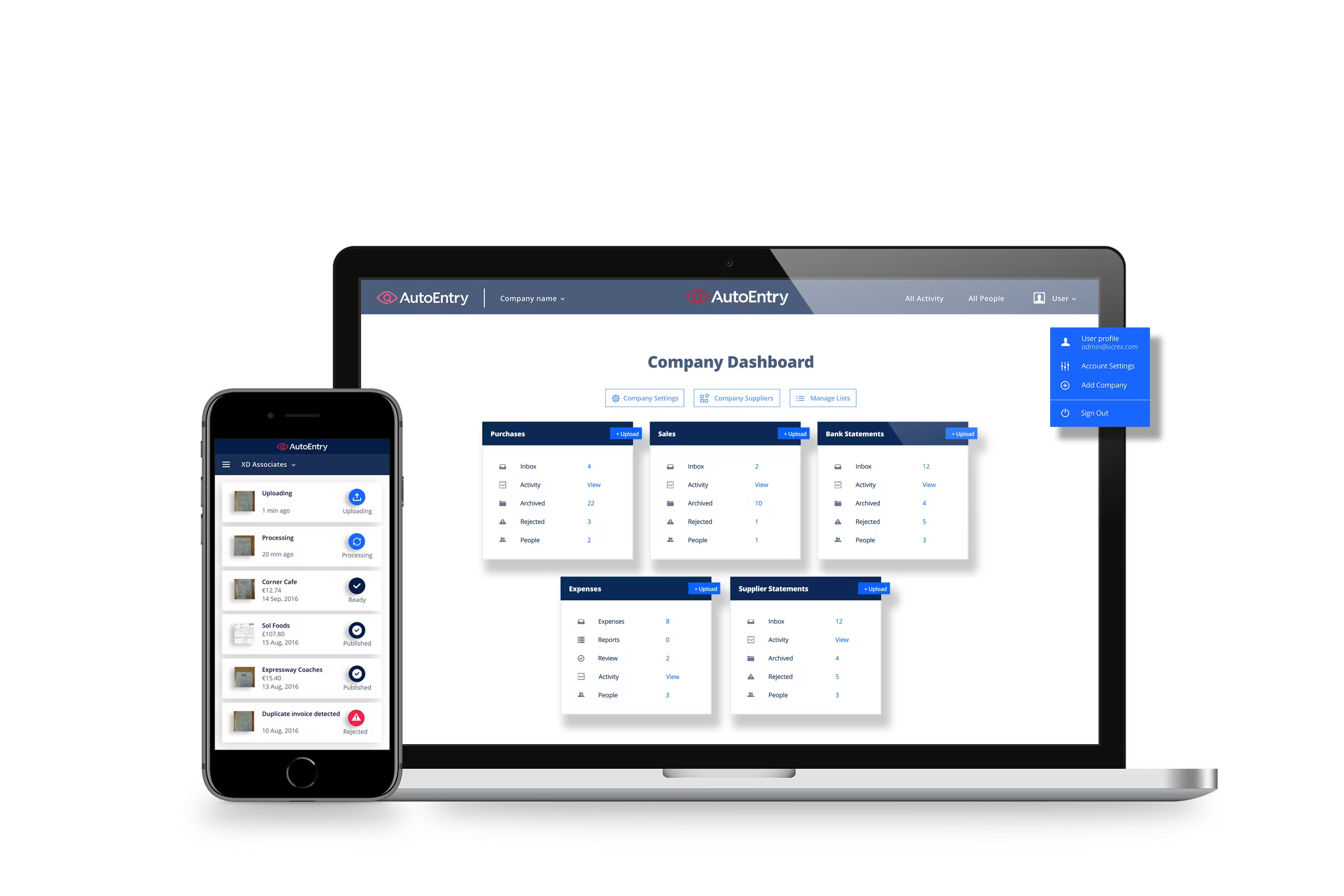
AutoEntry is widely used among firms operating in desktop or hybrid accounting systems.
AutoEntry uses a credit-based structure, where each document consumes credits. Multi-line invoices or bank statements may consume additional credits. Firms should forecast document volume to estimate ongoing cost.
AutoEntry is often well suited for firms requiring strong desktop accounting integration.
Best for Xero-Centric Firms
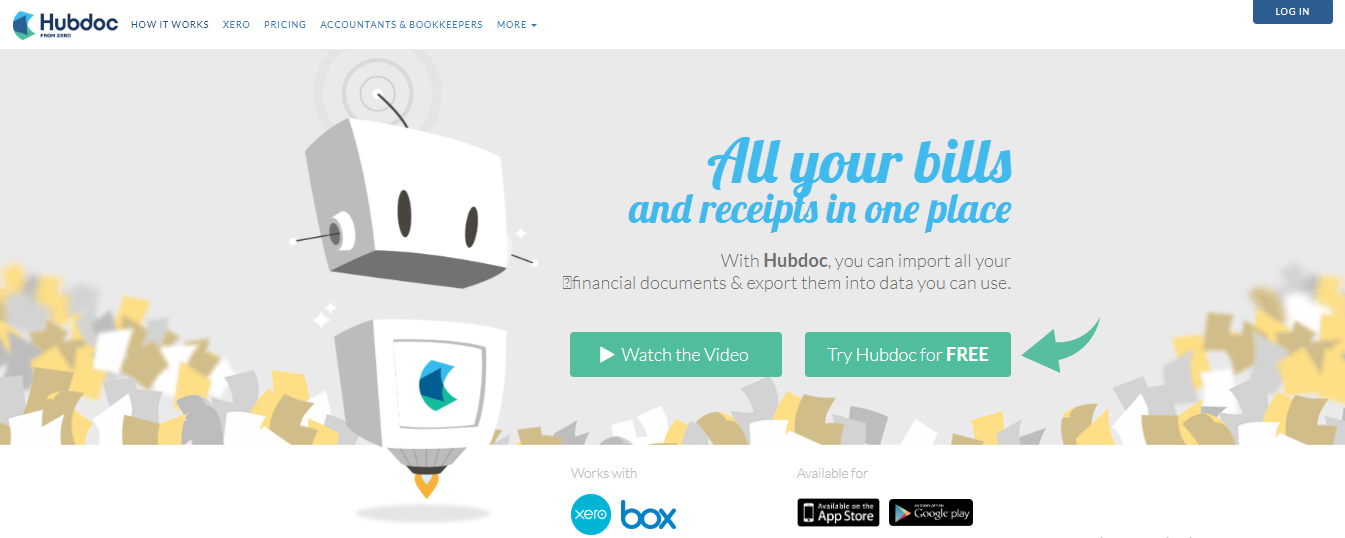
Hubdoc is owned by Xero and is commonly bundled with certain Xero plans.
Hubdoc focuses primarily on document capture and storage. Batch editing and firm-level workflow controls are more limited compared to dedicated expense automation platforms. Extraction performance may vary depending on document quality.
For Xero-first firms seeking basic receipt capture, Hubdoc can be a practical option.
Best for Employee Expense and Reimbursement Workflows
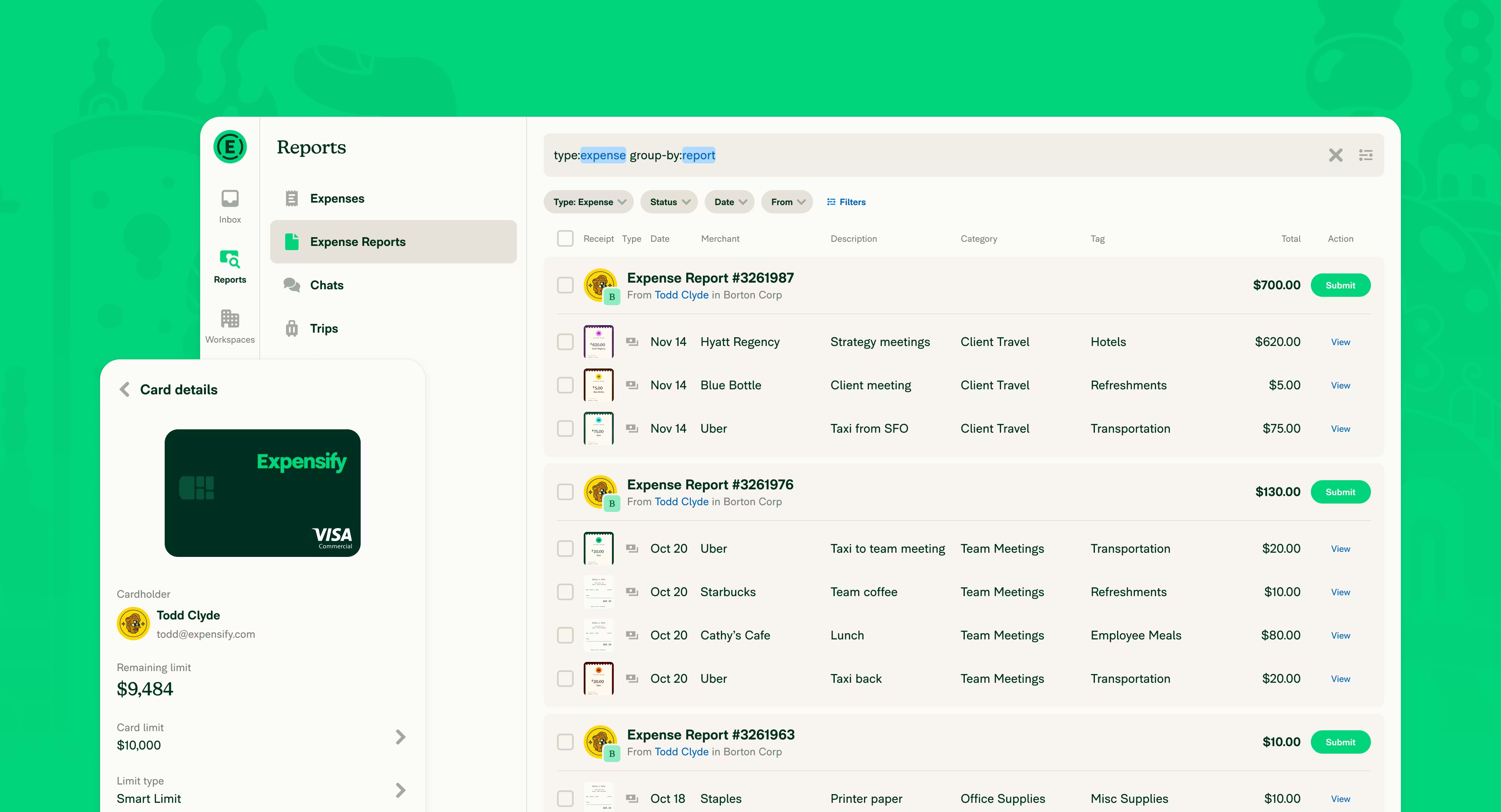
Expensify is structured primarily for internal company expense reporting.
Expensify charges per active employee user rather than per client. It is optimized for internal expense management rather than bookkeeping firms managing multiple external clients.
Best for Small Bookkeeping Firms Focused on Expense Automation
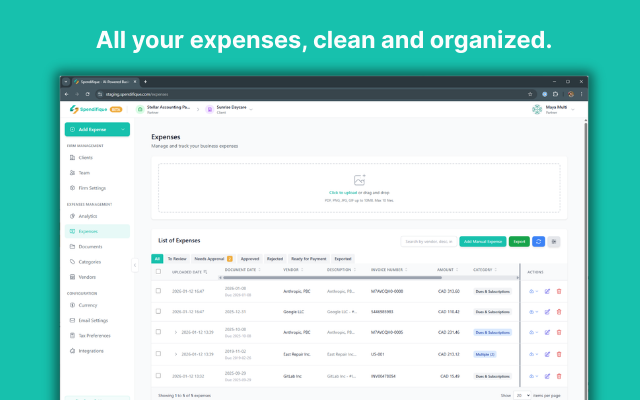
Spendifique is designed specifically for bookkeeping firms managing multiple small clients in cloud-based environments.
Unlike broader document platforms, it focuses exclusively on expense capture and expense-to-accounting-entry workflows.
.png)
Spendifique is structured around workflow simplicity and structured batch review rather than broader practice management features.
AutoEntry is commonly used by firms operating in QuickBooks Desktop or Sage environments due to its strong desktop integration and cross-platform compatibility.
Hubdoc is included in certain Xero subscription plans, making it attractive for firms already operating within the Xero ecosystem.
Expensify is primarily structured for employee expense and reimbursement workflows. It is not specifically optimized for multi-client bookkeeping practices.
Spendifique is designed specifically for small bookkeeping firms managing multiple cloud-based clients who want structured expense automation and scalable pricing.
Dext uses tiered plans. AutoEntry uses a credit-based model. Expensify charges per employee. Spendifique scales per client and offers pay-as-you-go options.



Spendifique focuses on the unglamorous parts of the job. Collecting invoices, extracting data, and keeping expenses consistent across clients.
Set up in minutes and see how much time you save on invoice collection and expense entry. No long-term commitment.
Start free with one client